
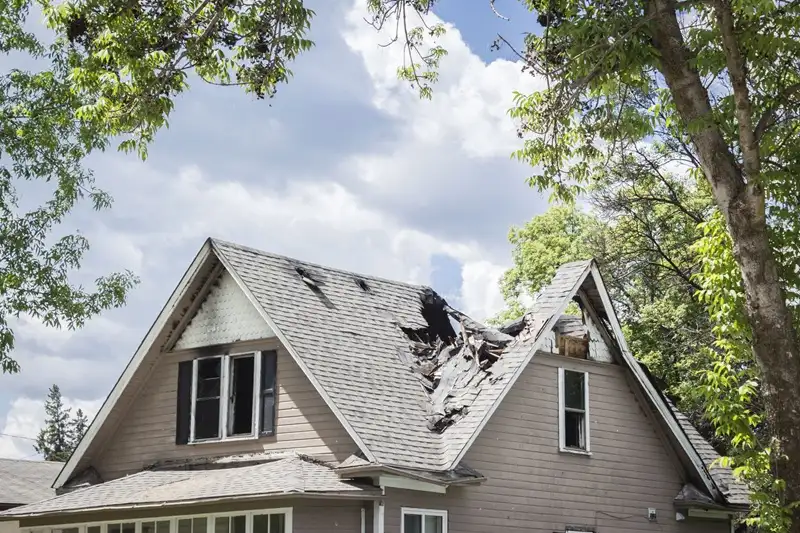
Filing a roof insurance claim can feel overwhelming, especially when you’re dealing with the aftermath of a major storm. Whether it’s wind, hail, or hurricane damage, Certified Roofers is here to help Florida and Tennessee homeowners navigate the insurance process from start to finish. With the right steps and expert guidance, you can recover faster and protect your biggest investment, your home.
We’ve created this detailed guide to help you confidently file a roof insurance claim, minimize delays, and ensure you get the coverage you deserve. From assessing the damage to working with your adjuster and finalizing repairs, every step matters. We’re proud to be your trusted partner throughout this journey.
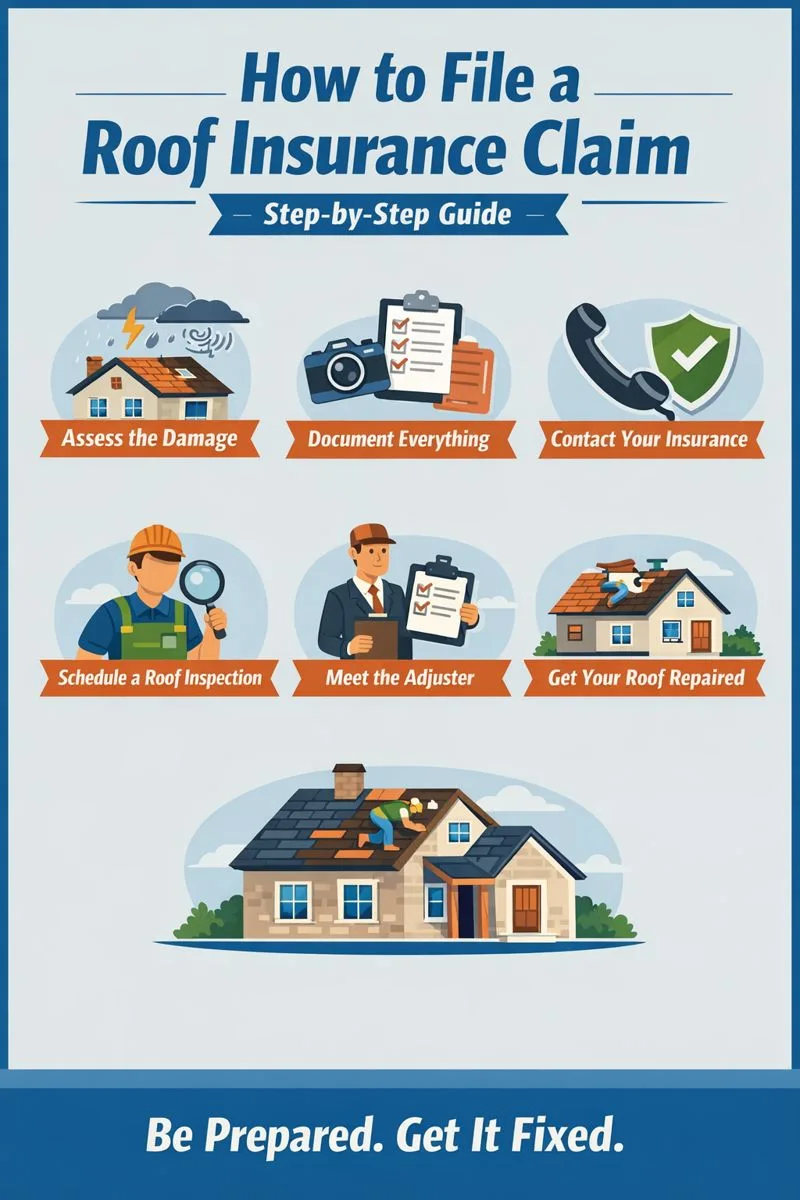
Step-by-Step Guide to Filing a Roof Insurance Claim
1. Inspect the Roof for Damage Safely
After a storm, do a preliminary inspection from the ground or a safe vantage point. Look for signs like:
- Missing or lifted shingles
- Exposed underlayment
- Leaks or water stains inside your home
- Pieces of roofing material in the yard
For a thorough evaluation, schedule a professional roof inspection. Our team uses drone imaging and photo documentation to capture damage that may not be visible to the untrained eye.
2. Review Your Homeowners Insurance Policy
Before filing a claim, understand what’s covered under your policy. Most policies cover damage caused by wind, hail, or fallen trees, but not normal wear and tear. Be aware of your deductible, exclusions, and time limits for claims. If you’re unsure, contact your insurance provider or review the declarations page of your policy for clarity.
3. Contact a Licensed Roofing Contractor
Choose a roofing company experienced in storm damage recovery, like Certified Roofers. We offer insurance claims assistance to guide you through the process.
Avoid storm chasers or unlicensed contractors who might offer quick fixes without documentation. Our team is licensed, insured, and experienced with roof insurance claims in both Florida and Tennessee. We also provide accurate repair estimates and ensure that repairs meet local building codes and industry standards.
4. Document the Damage Thoroughly
Use your smartphone to take:
- Wide shots of the roof
- Close-ups of damage
- Interior leaks or ceiling stains
We recommend supplementing with a roof inspection report that includes:
- Photos
- Written description of damage
- Recommended repairs
This documentation strengthens your insurance claim. For major storms or hurricanes, FEMA or local authorities may request this documentation as well.
5. File the Insurance Claim
Contact your insurance company to start a claim. You’ll typically:
- Submit damage documentation
- Provide repair estimates
- Schedule a claims adjuster inspection
We’ll work directly with your adjuster to ensure they see all verified storm damage.
Some insurance companies require claims to be filed within 30 to 60 days after damage, depending on the state. Don’t delay!
6. Meet With the Insurance Adjuster
The insurance company will send a field adjuster to verify the damage. Having your Certified Roofers project manager present ensures no damage is missed or underestimated.
We act as your advocate during the inspection, not just your contractor. We can also answer technical questions and provide real-time documentation of your roof’s condition.
7. Receive Your Claim Payout & Begin Repairs
Once the claim is approved, you’ll receive a settlement offer. Certified Roofers will review the scope of work and begin storm damage roofing repairs with full transparency.
Need emergency protection in the meantime? Ask about our emergency tarping services to prevent further interior damage while your claim is being processed.
What Type of Roof Damage is Covered by Insurance?
Here are common types of storm damage typically covered by insurance:
- Hail damage: Dents, punctures, and granule loss that shorten the lifespan of your shingles.
- Wind damage: Missing shingles, lifted flashing, and roof deck exposure.
- Fallen trees or limbs: Structural roof penetration or broken trusses.
- Water intrusion from storm openings: Often seen around vents, chimneys, and valleys.
For deeper breakdowns, visit our blog on Roof Replacement vs Repair.
Keep in mind, policies don’t cover damage caused by:
- Old age or wear and tear
- Poor maintenance or clogged gutters
- Manufacturer defects
How Certified Roofers Supports Your Insurance Claim
We don’t just fix roofs, we advocate for our clients. Here’s how we help you every step of the way:
- Free storm damage inspections by certified professionals
- Detailed estimates and documentation for your insurer
- Direct communication with your adjuster to clarify scope and pricing
- Licensed work and warranties that meet insurance requirements
- Workmanship warranties for post-repair peace of mind
As a family-owned business serving Florida and Tennessee, we understand local codes, weather patterns, and insurance processes. We are committed to helping our communities bounce back after storms with resilient roofing systems.
Helpful Tips for a Successful Roof Claim
- Don’t wait: Quick action prevents further damage and denial.
- Keep records: Save photos, receipts, and communication logs.
- Choose local, reputable contractors, and check out our testimonials.
- Ask questions: We explain insurance documents clearly and thoroughly.
- Get everything in writing before signing repair contracts.
We showcase claim-ready results in our Featured Projects gallery. You can also explore our FAQ section for answers to common claim-related questions.
Get Help With Your Roof Insurance Claim Today
Don’t let red tape delay your roof repairs. Certified Roofers has helped hundreds of homeowners get approved for full roof replacements and emergency repairs. We simplify the process so you can focus on restoring your home — not battling insurance headaches.
Florida Office: Kissimmee, FL 34741 — (954) 266-4299
Tennessee Office: Brentwood, TN 37027 — (615) 413-8662
Contact us now for a free inspection and start your claim process today.
We’re here when you need us most — before, during, and after the storm.
